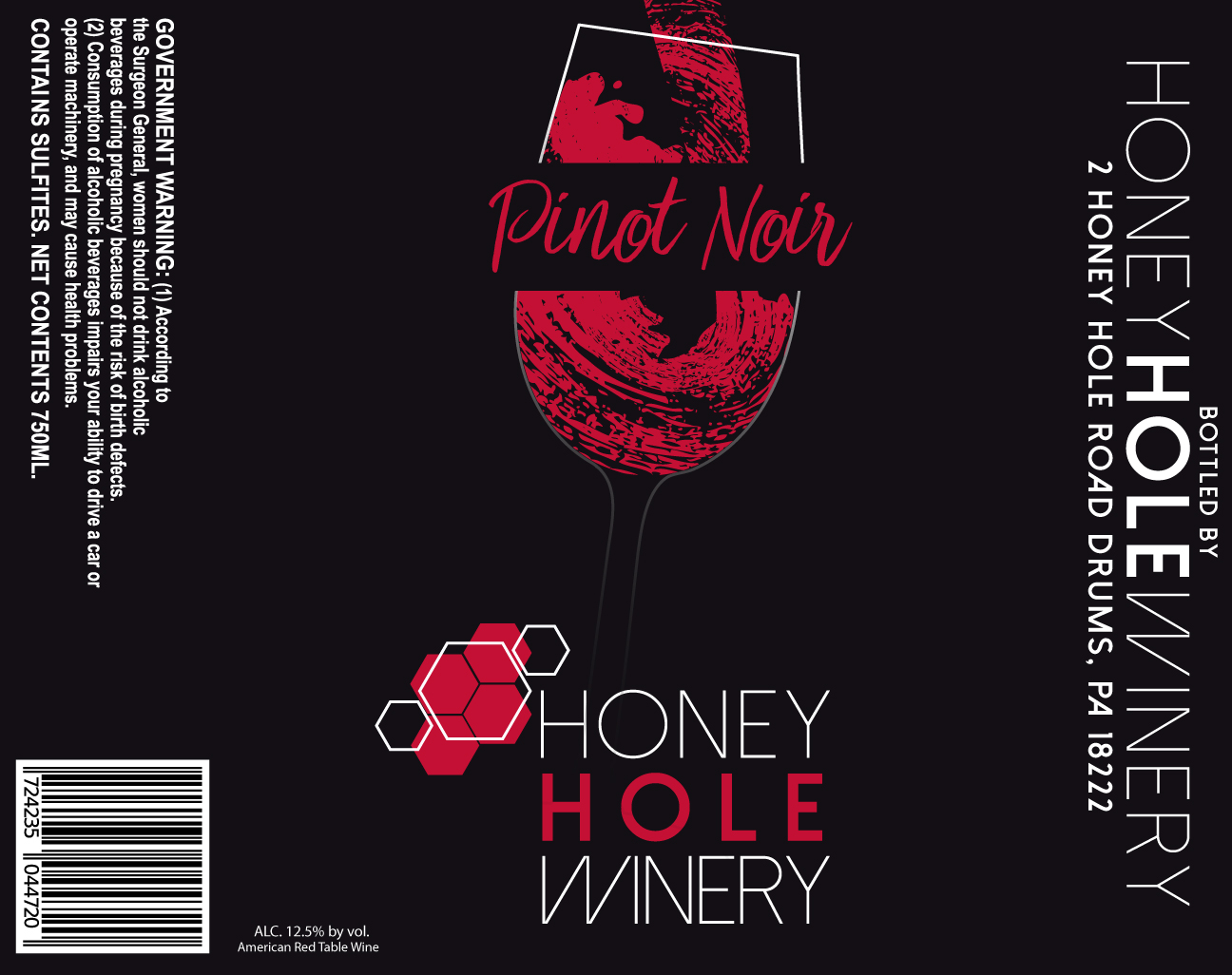
At HONEY HOLE WINERY, you can savor a delightful Pinot Noir from Pennsylvania's lush vineyards. This varietal is known for its delicate nature and aromatic profile featuring red cherry, raspberry, rose petal, earth, mushroom, and forest floor. As one of the most challenging grapes to cultivate, it yields wines that are lighter in color and lower in tannins compared to other varieties like Cabernet Sauvignon or Syrah. With a rich history spanning across various American appellations, including California and Oregon, HONEY HOLE WINERY's Pinot Noir offers a perfect pairing for salmon, duck, roast chicken, mushroom dishes, and lightly spiced cuisines.
| TTB ID | 17290001000967 |
|---|---|
| Brand name | HONEY HOLE WINERY |
| Class / type | — |
| Origin / appellation | — |
| Grape varietals | Pinot noir |
| Approval date | Oct 24, 2017 |
| Status | APPROVED |
| Serial number | 17PINR |
| Permit number | BWN-PA-21119 |
| Producer name & address | HONEY HOLE WINERY LLC 2 HONEY HOLE RD DRUMS PA 18222 |
| TTB record | View on TTB COLA Online → |
TTB remains the source of record. Wine Grabber links each record back to the public COLA detail when available.
View official TTB record →What would you like to do next?
Wine Grabber is a free public registry. Pick the path that fits you — your choice helps us learn what people come here for.