At Feather Hills Vineyard & Winery, you can savor Chambourcin, a robust and versatile red grape from Illinois. Known for its deep color, soft tannin, and berry fruit flavors, this varietal is perfect for those who appreciate wines that pair well with a variety of dishes including barbecue, roast pork, pizza, burgers, charcuterie, tomato sauces, and smoked foods. With its adaptable nature and ability to thrive in challenging growing conditions, Chambourcin offers a delightful taste experience that showcases the best of American viticulture.
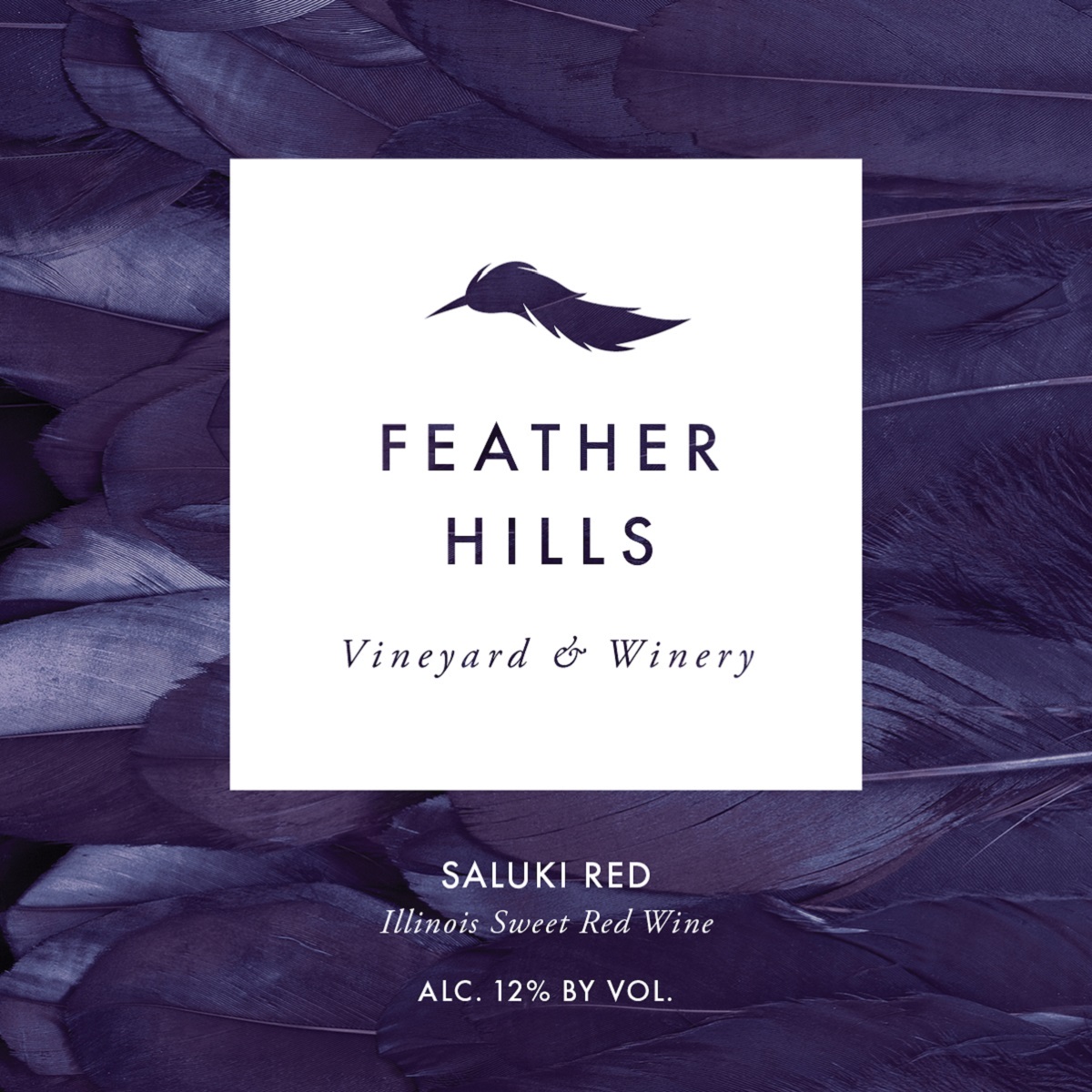
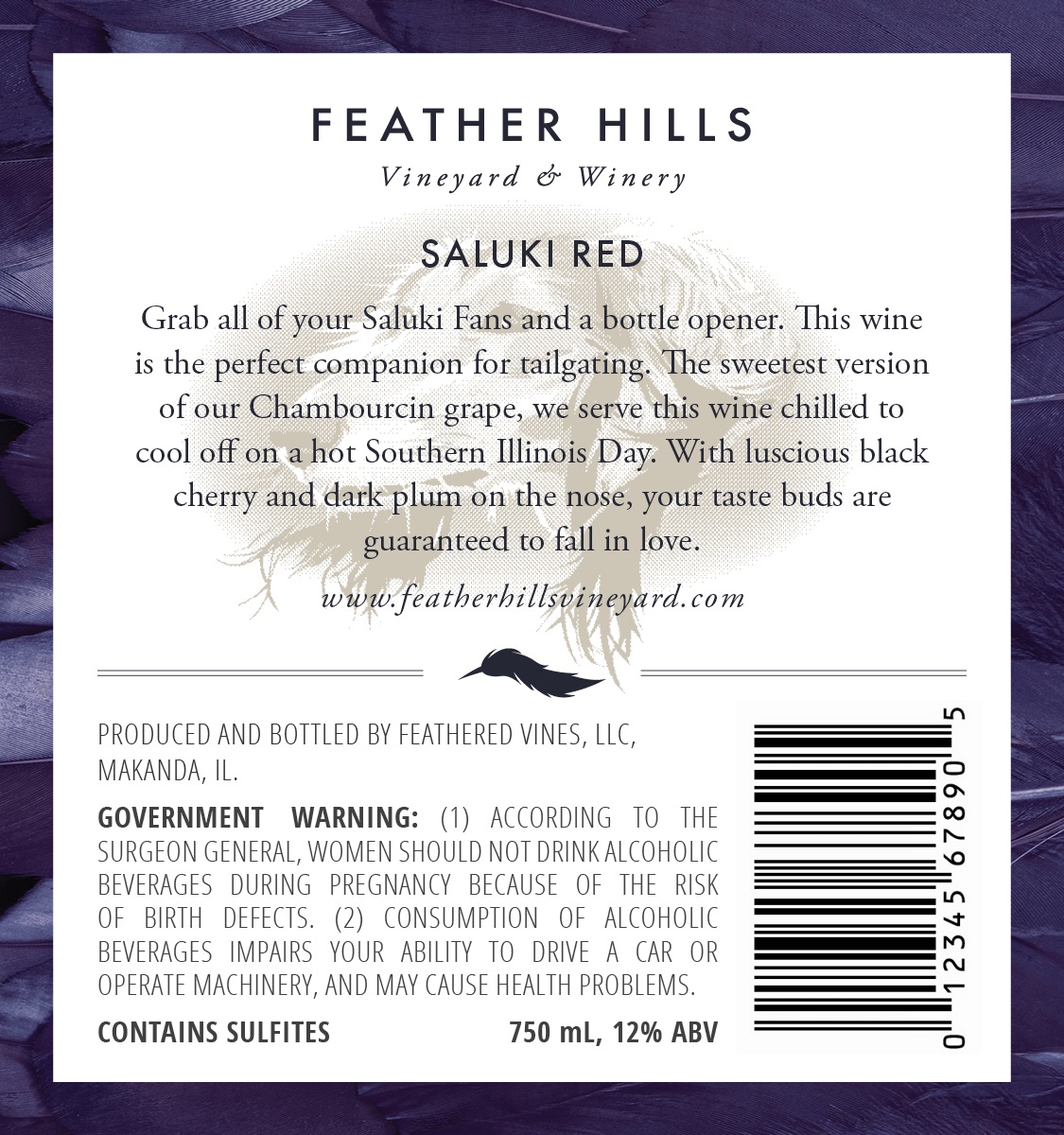
| TTB ID | 18026001000764 |
|---|---|
| Brand name | FEATHER HILLS VINEYARD & WINERY |
| Class / type | — |
| Origin / appellation | — |
| Grape varietals | Chambourcin |
| Approval date | Feb 7, 2018 |
| Status | APPROVED |
| Serial number | 180006 |
| Permit number | BW-IL-133 |
| Producer name & address | FEATHER HILL, FEATHERED VINES, LLC 410 THORN LN MAKANDA IL 62958 FEATHERED VINES, LLC (Used on label) |
| TTB record | View on TTB COLA Online → |
TTB remains the source of record. Wine Grabber links each record back to the public COLA detail when available.
View official TTB record →What would you like to do next?
Wine Grabber is a free public registry. Pick the path that fits you — your choice helps us learn what people come here for.