Pech Merle is a table red wine crafted from Cabernet Sauvignon grapes, a robust variety that originated in France’s Bordeaux region. Known for its full body, firm tannins, and dark fruit character, this wine offers a versatile choice suitable for savoring on its own or pairing with various dishes. Originating in California, Pech Merle is part of the broader spectrum of Cabernet Sauvignon styles found worldwide, from single varietal bottlings to blends that dominate Wine Grabber’s registry across regions like California, South America, and beyond.
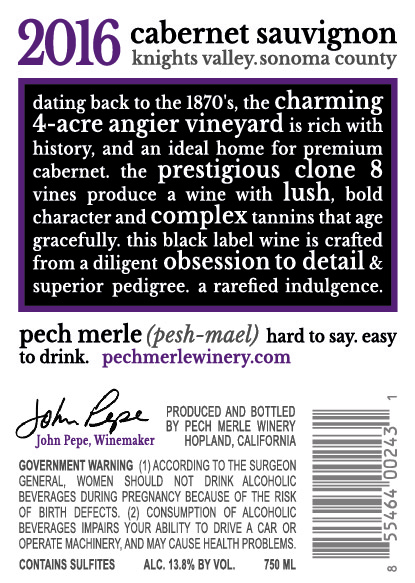
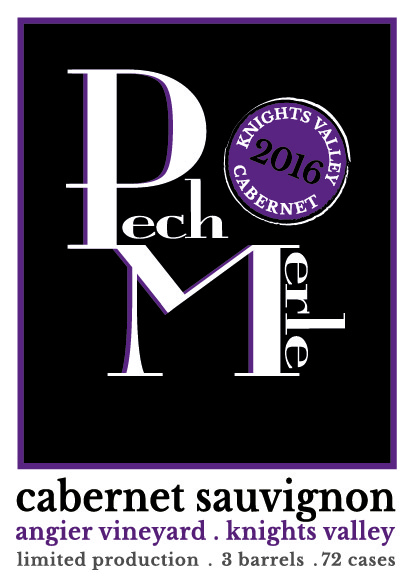
| TTB ID | 18225001001041 |
|---|---|
| Brand name | PECH MERLE |
| Fanciful name | ANGIER VINEYARD |
| Class / type | — |
| Origin / appellation | — |
| Grape varietals | Cabernet Sauvignon |
| Approval date | Aug 15, 2018 |
| Status | APPROVED |
| Serial number | 18CS16 |
| Permit number | BW-CA-4801 |
| Producer name & address | MILANO WINERY, STARR MILANO, INC. 14594 S HIGHWAY 101 HOPLAND CA 95449 PECH MERLE WINERY (Used on label) |
| TTB record | View on TTB COLA Online → |
TTB remains the source of record. Wine Grabber links each record back to the public COLA detail when available.
View official TTB record →What would you like to do next?
Wine Grabber is a free public registry. Pick the path that fits you — your choice helps us learn what people come here for.