Rustenberg Syrah is a dessert wine that showcases the rich and concentrated profile of this grape variety. Originating from South Africa (Union of), it falls into the category of Port, Sherry, or cooking wines, where its deep color and full-bodied character make it an excellent pairing for grilled meats, hearty stews, and dishes with black pepper or smoked spices. Whether you prefer a restrained and savory style reminiscent of Rhône-influenced Syrah or a more concentrated and fruit-forward Shiraz from Australia, this wine offers both elegance and robustness suitable for various culinary experiences.
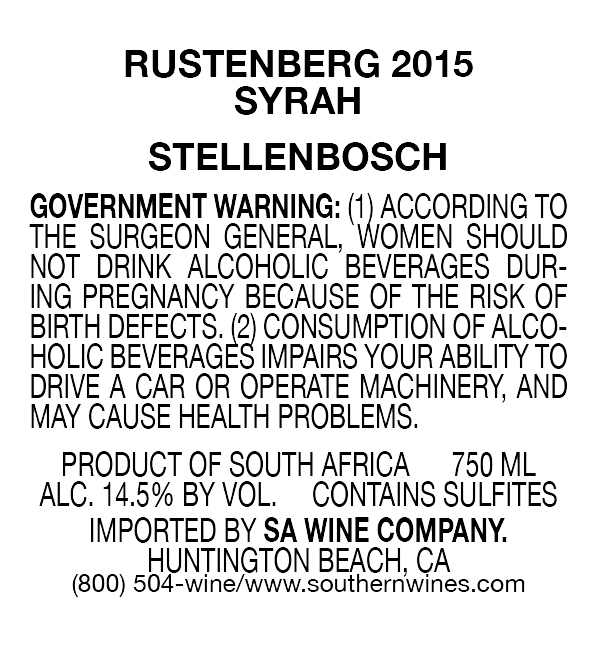
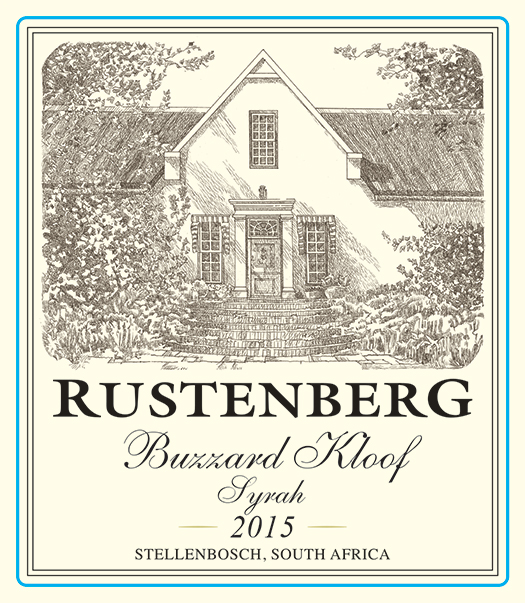
| TTB ID | 19197001000610 |
|---|---|
| Brand name | RUSTENBERG |
| Fanciful name | BUZZARD KLOOF |
| Class / type | — |
| Origin / appellation | — |
| Grape varietals | Syrah |
| Approval date | Aug 6, 2019 |
| Status | APPROVED |
| Serial number | 192740 |
| Permit number | CA-I-3960 |
| Producer name & address | S.A. WINE CO., JOHN P.A. GORMAN 5973 ENGINEER DR HUNTINGTON BEACH CA 92649 |
| TTB record | View on TTB COLA Online → |
TTB remains the source of record. Wine Grabber links each record back to the public COLA detail when available.
View official TTB record →What would you like to do next?
Wine Grabber is a free public registry. Pick the path that fits you — your choice helps us learn what people come here for.