High confidence
Exact registry match — this is a specific TTB COLA record. We found a strong match for this wine.
What to Expect
Expect a dessert-style wine made with a blend of Merlot, Cabernet Sauvignon, Cabernet Franc, and Petit Verdot grapes. This robust yet approachable blend originates in California, where these varietals are widely cultivated for their ability to produce full-bodied wines with dark fruit flavors. Whether enjoyed on its own or used in cooking, this dessert wine offers a delightful taste experience that showcases the versatility of these classic Bordeaux varieties.
Original editorial summary © 2026 Encyclopedia of Wine. All rights reserved; may not be reproduced without permission. Registry facts are public TTB data; brand names and label artwork remain the property of their respective producers.
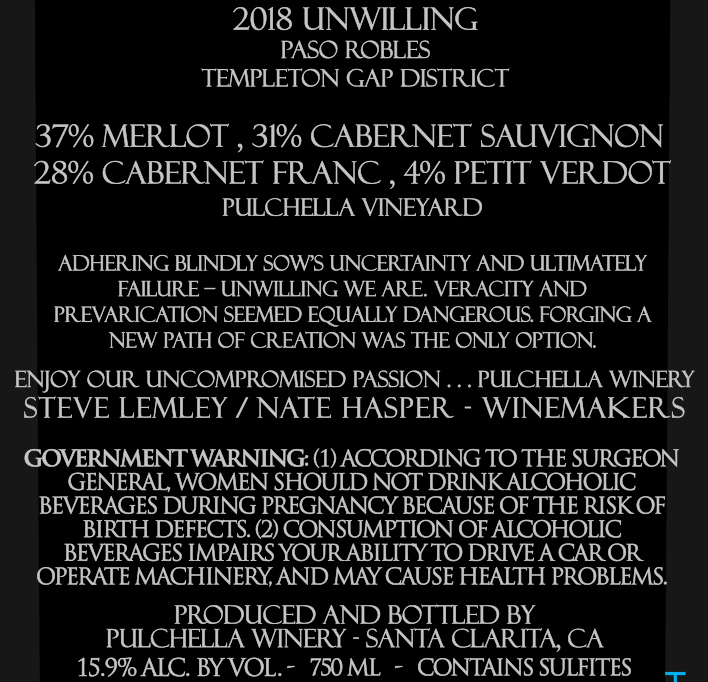
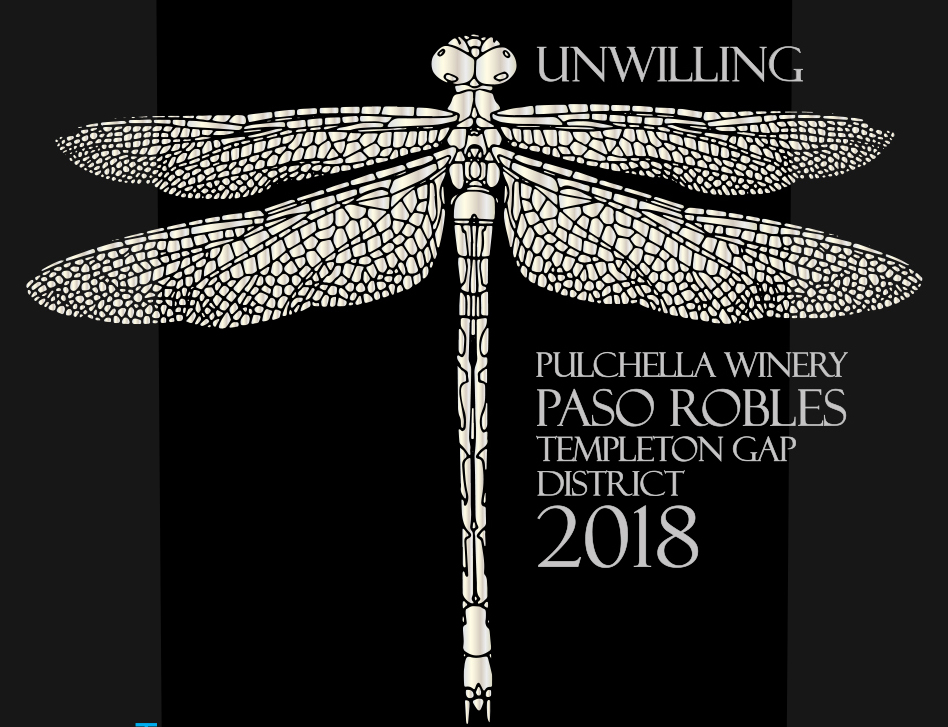
| TTB ID | 20189001000502 |
|---|---|
| Brand name | PULCHELLA WINERY |
| Fanciful name | UNWILLING |
| Class / type | — |
| Origin / appellation | — |
| Grape varietals | Merlot, Cabernet Sauvignon, Cabernet Franc, Petit Verdot |
| Approval date | Jul 9, 2020 |
| Status | APPROVED |
| Serial number | 20UNWI |
| Permit number | BWN-CA-16480 |
| Producer name & address | PULCHELLA WINERY, STEVE LEMLEY AND NATE HASPER (GENERAL PARTNERSHIP) 25327 AVENUE STANFORD STE 105 SANTA CLARITA CA 91355 PULCHELLA WINERY (Used on label) |
| TTB record | View on TTB COLA Online → |
Official Source
TTB remains the source of record. Wine Grabber links each record back to the public COLA detail when available.
View official TTB record → Related Registry Pages
What would you like to do next?
Wine Grabber is a free public registry. Pick the path that fits you — your choice helps us learn what people come here for.
For wine drinkers
Understand & remember this wine
Scan, understand, save, and learn about this wine.
For wine businesses
Manage & monetize this wine data
Turn labels into clean product records, menus, shelf cards, ecommerce copy, and inventory-ready wine data.
Data sourced from the public TTB COLA Online registry. Wine Grabber is not affiliated with or endorsed by TTB.
Label images are being added for a growing share of records as we harvest them from TTB. Coverage is partial and growing. Coverage & Limitations →