Tamar Ridge Pinot Noir is a delightful Australian table wine that showcases the classic elegance and complexity of this grape variety. As one of the oldest and most challenging to grow, Pinot Noir from Tamar Ridge offers an aromatic profile featuring red cherry, raspberry, rose petal, earth, mushroom, and forest floor notes. With its lighter body and bright acidity, it pairs beautifully with a wide range of dishes, including salmon, duck, roast chicken, and mushroom dishes. Whether you're savoring the wine's immediate appeal or looking forward to its nuanced evolution over time, Tamar Ridge Pinot Noir is sure to delight your palate.
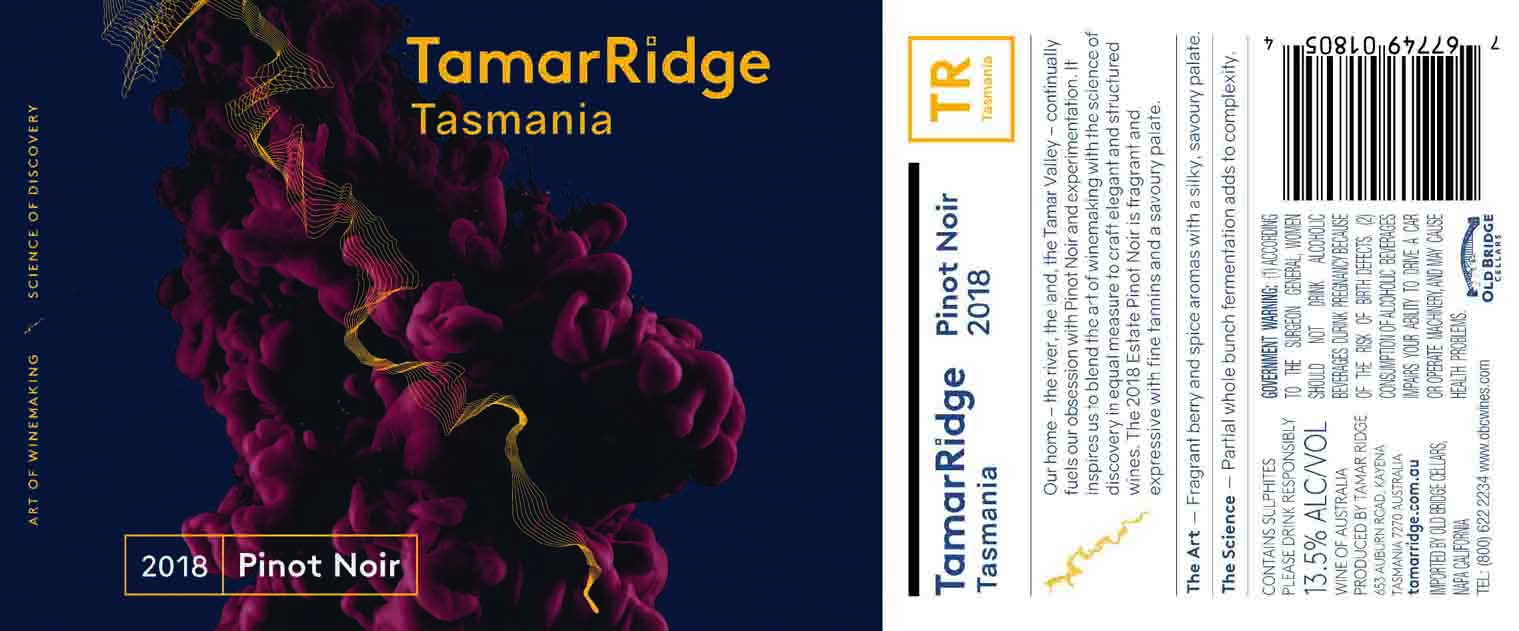
| TTB ID | 20262001000667 |
|---|---|
| Brand name | TAMAR RIDGE |
| Class / type | — |
| Origin / appellation | — |
| Grape varietals | Pinot Noir |
| Approval date | Sep 22, 2020 |
| Status | APPROVED |
| Serial number | 200071 |
| Permit number | CA-I-3816 |
| Producer name & address | OLD BRIDGE CELLARS 703 JEFFERSON ST NAPA CA 94559 |
| TTB record | View on TTB COLA Online → |
TTB remains the source of record. Wine Grabber links each record back to the public COLA detail when available.
View official TTB record →What would you like to do next?
Wine Grabber is a free public registry. Pick the path that fits you — your choice helps us learn what people come here for.