Bel Lago Pinot Noir is a delightful Michigan Table Red Wine that showcases the classic elegance of this grape variety. Originating in the cooler climate of Michigan, this Pinot Noir offers a lighter and more approachable experience compared to its Burgundian counterparts, with aromas of red cherry, raspberry, and earthiness complemented by subtle forest floor notes. As one of the most challenging yet rewarding grapes to cultivate, Bel Lago's Pinot Noir is sure to captivate your palate with its refined character, perfect for pairing with a variety of dishes from salmon to lightly spiced meats.
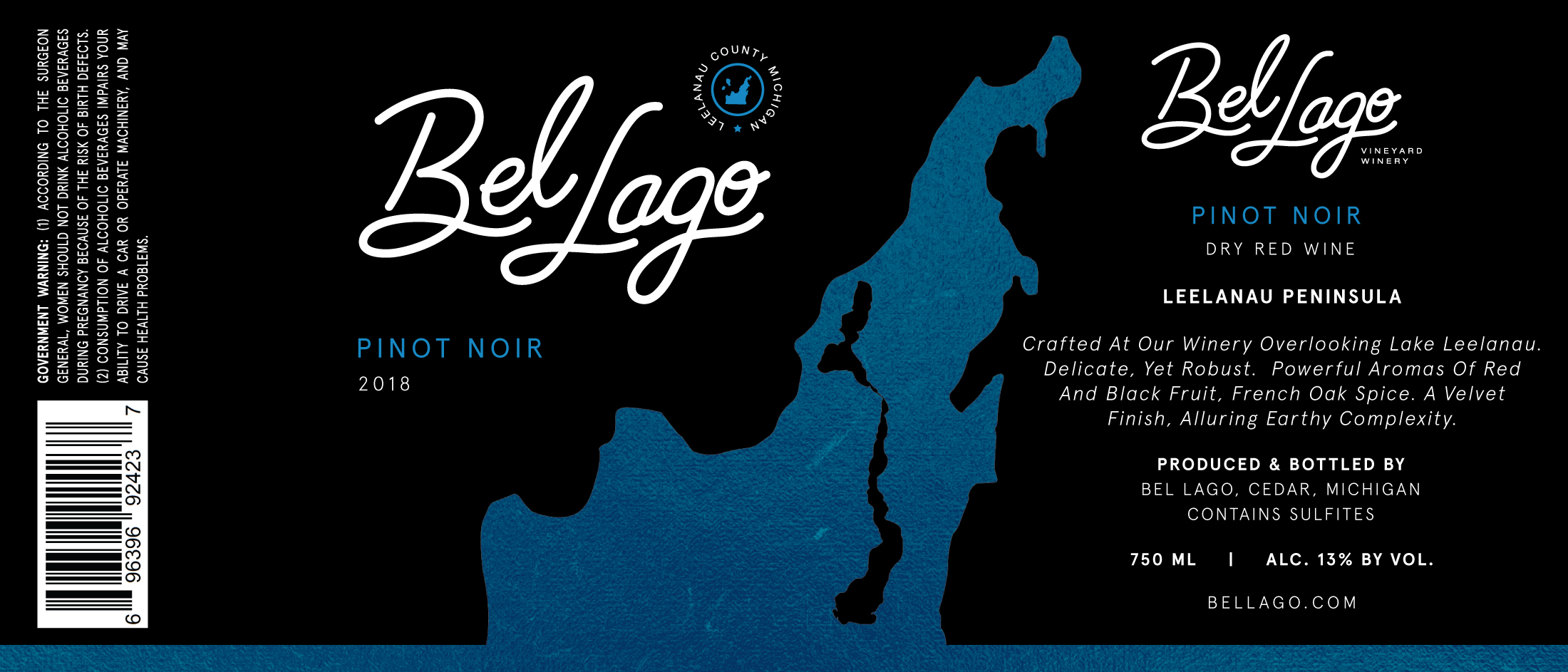
| TTB ID | 21083001000566 |
|---|---|
| Brand name | BEL LAGO |
| Class / type | — |
| Origin / appellation | — |
| Grape varietals | Pinot noir |
| Approval date | Mar 25, 2021 |
| Status | APPROVED |
| Serial number | 210005 |
| Permit number | BW-MI-96 |
| Producer name & address | BEL LAGO, BEL LAGO VENTURES, LLC 6530 S LAKE SHORE DR CEDAR MI 49621 BEL LAGO (Used on label) |
| TTB record | View on TTB COLA Online → |
TTB remains the source of record. Wine Grabber links each record back to the public COLA detail when available.
View official TTB record →What would you like to do next?
Wine Grabber is a free public registry. Pick the path that fits you — your choice helps us learn what people come here for.