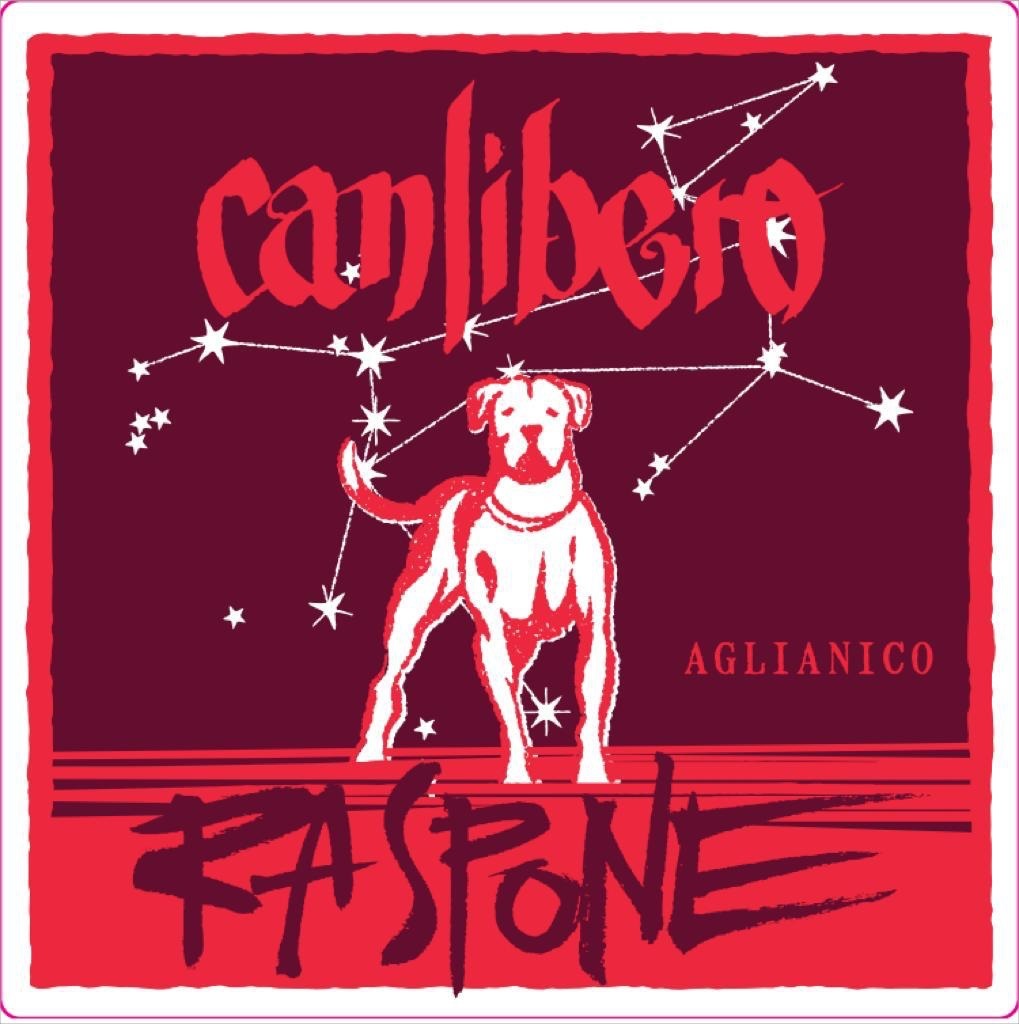
Aglianico from CANLIBERO offers the robust flavors of this powerful southern Italian grape variety. Known for its dark fruit, firm tannin, high acidity, and volcanic-earth depth, Aglianico from CANLIBERO promises a wine that demands thoughtful pairing with dishes like lamb, beef, or grilled meats to fully appreciate its structure and complexity. While the origin is unknown, it shares similarities with classic zones in Taurasi and Vulture, where wines often showcase dark fruit and earthy notes, hinting at the grape's ability to produce compelling, long-lived reds that pair beautifully with a variety of rich foods.
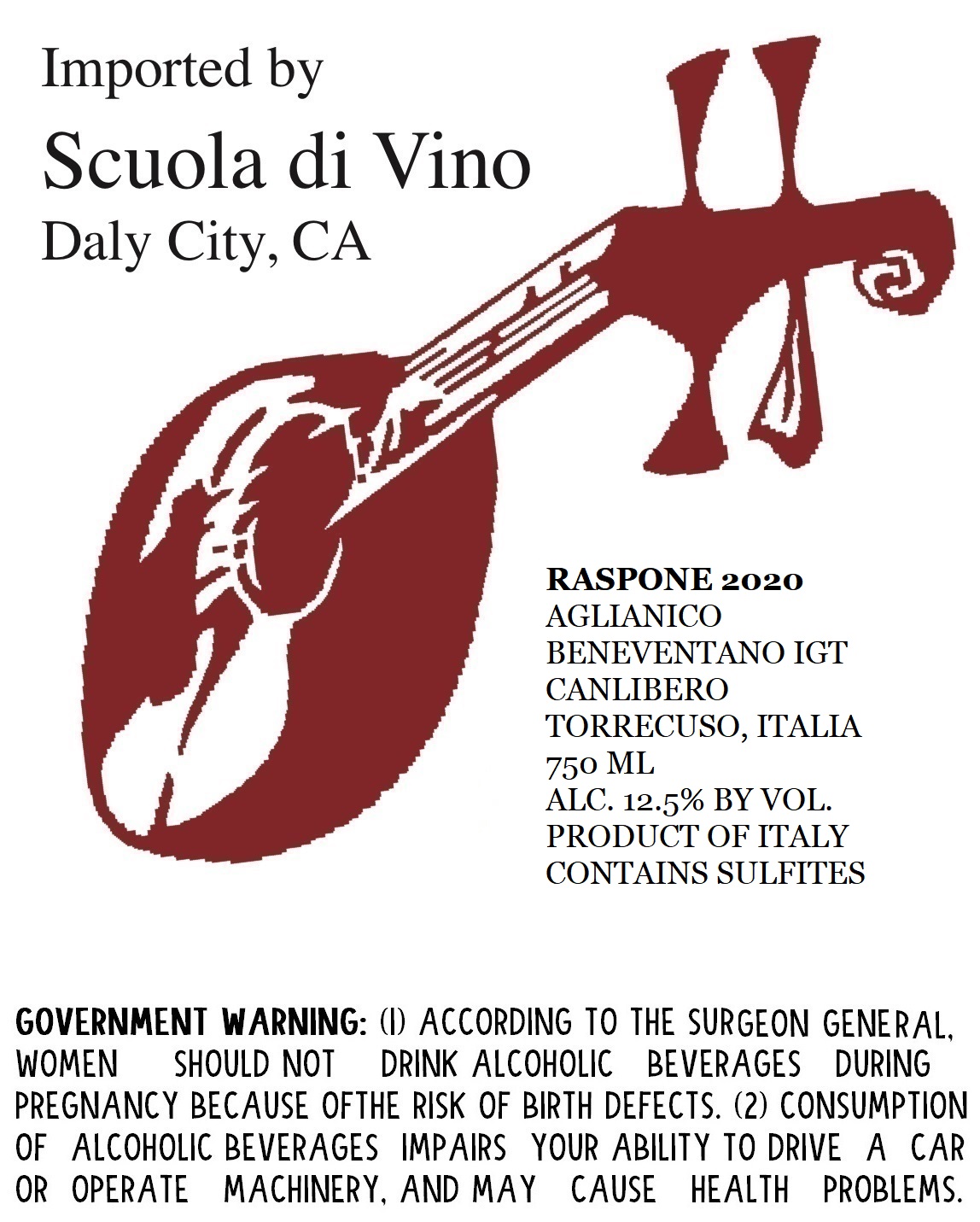
| TTB ID | 22046001000531 |
|---|---|
| Brand name | CANLIBERO |
| Fanciful name | RASPONE |
| Class / type | — |
| Origin / appellation | — |
| Grape varietals | AGLIANICO |
| Approval date | Feb 22, 2022 |
| Status | APPROVED |
| Serial number | 22RASP |
| Permit number | CA-I-21254 |
| Producer name & address | Scuola di Vino, SCUOLA DI VINO, LLC 440 TALBERT ST Daly City CA 94014 |
| TTB record | View on TTB COLA Online → |
TTB remains the source of record. Wine Grabber links each record back to the public COLA detail when available.
View official TTB record →What would you like to do next?
Wine Grabber is a free public registry. Pick the path that fits you — your choice helps us learn what people come here for.