TENUTA DEMAIO’s Fiano offers a nuanced taste journey influenced by its origins in Campania. This ancient white grape from southern Italy is known for its citrus, pear, hazelnut, and floral notes, with a textured texture that hints at deeper complexity over time. While the exact appellation isn’t specified, it shares similarities with Fiano di Avellino, where producers have revived the region’s reputation for distinctive, ageworthy wines. Expect a wine that balances ripe flavors with refreshing acidity, making it versatile and well-suited to a variety of dishes including seafood, poultry, and aged cheeses.
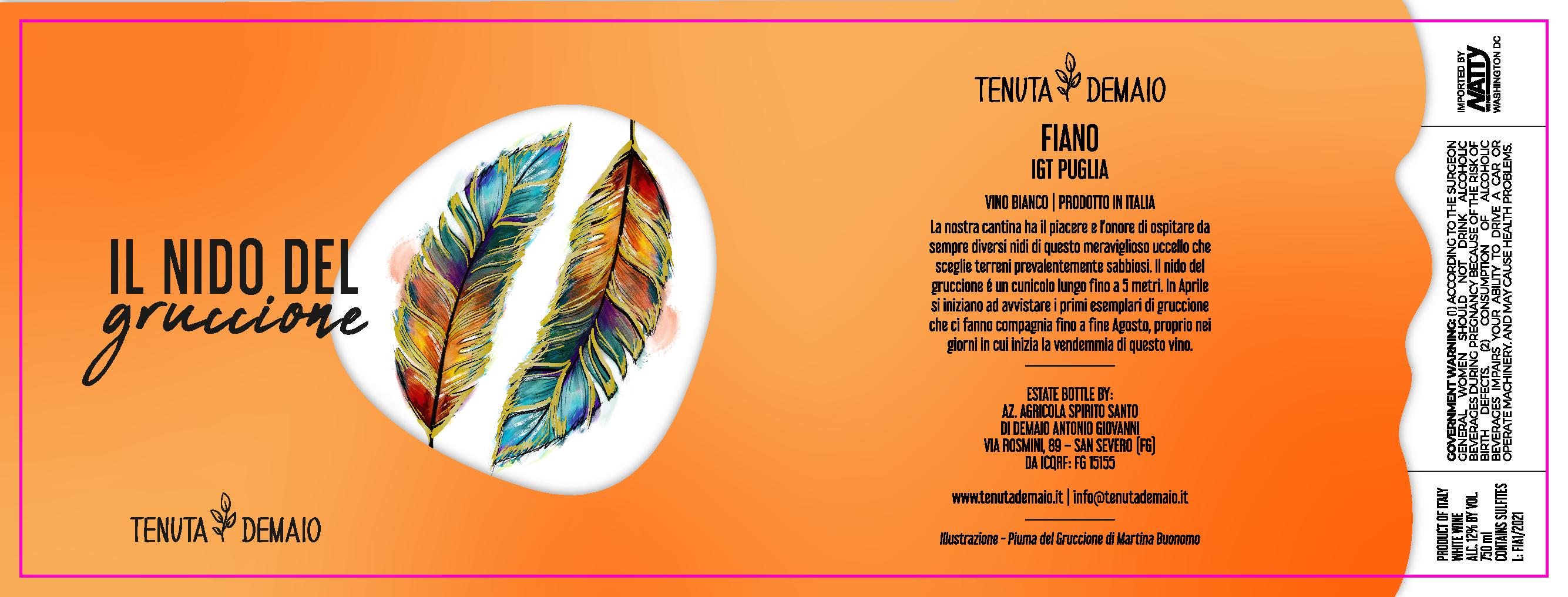
| TTB ID | 22293001000802 |
|---|---|
| Brand name | TENUTA DEMAIO |
| Fanciful name | NIDO |
| Class / type | — |
| Origin / appellation | — |
| Grape varietals | Fiano |
| Approval date | Nov 9, 2022 |
| Status | APPROVED |
| Serial number | 220083 |
| Permit number | DC-I-21063 |
| Producer name & address | Natty WIne LLC 1150 4TH ST SW APT 1003 Washington DC 20024 |
| TTB record | View on TTB COLA Online → |
TTB remains the source of record. Wine Grabber links each record back to the public COLA detail when available.
View official TTB record →What would you like to do next?
Wine Grabber is a free public registry. Pick the path that fits you — your choice helps us learn what people come here for.