High confidence
Exact registry match — this is a specific TTB COLA record. We found a strong match for this wine.
What to Expect
GUT HERMANNSBERG is a delightful table wine crafted from the classic German varietal Riesling. Originating in Germany, this wine offers a taste of the country's rich winemaking heritage, with its crisp acidity and unique sweetness depending on how it was produced. Whether you prefer a bone-dry style or one with a touch of residual sugar, GUT HERMANNSBERG delivers a satisfying and versatile experience that showcases the versatility of Riesling in different regions.
Original editorial summary © 2026 Encyclopedia of Wine. All rights reserved; may not be reproduced without permission. Registry facts are public TTB data; brand names and label artwork remain the property of their respective producers.
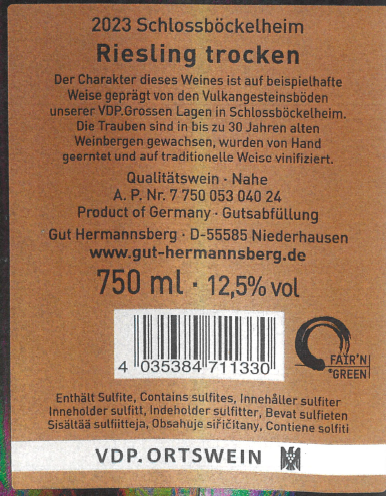
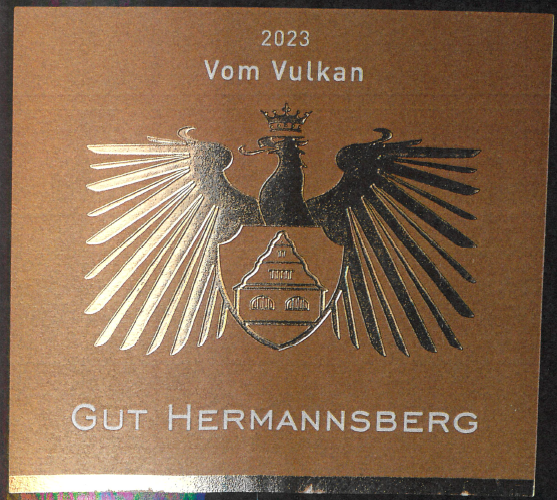
| TTB ID | 26079001000406 |
|---|---|
| Brand name | GUT HERMANNSBERG |
| Class / type | — |
| Origin / appellation | — |
| Grape varietals | RIESLING |
| Approval date | Mar 25, 2026 |
| Status | APPROVED |
| Serial number | 26A114 |
| Permit number | CA-I-3223 |
| Producer name & address | ADVENTURES IN WINE, BARSAC, INC. 440 TALBERT ST DALY CITY CA 94014 |
| TTB record | View on TTB COLA Online → |
Official Source
TTB remains the source of record. Wine Grabber links each record back to the public COLA detail when available.
View official TTB record → Related Registry Pages
What would you like to do next?
Wine Grabber is a free public registry. Pick the path that fits you — your choice helps us learn what people come here for.
For wine drinkers
Understand & remember this wine
Scan, understand, save, and learn about this wine.
For wine businesses
Manage & monetize this wine data
Turn labels into clean product records, menus, shelf cards, ecommerce copy, and inventory-ready wine data.
Data sourced from the public TTB COLA Online registry. Wine Grabber is not affiliated with or endorsed by TTB.
Label images are being added for a growing share of records as we harvest them from TTB. Coverage is partial and growing. Coverage & Limitations →